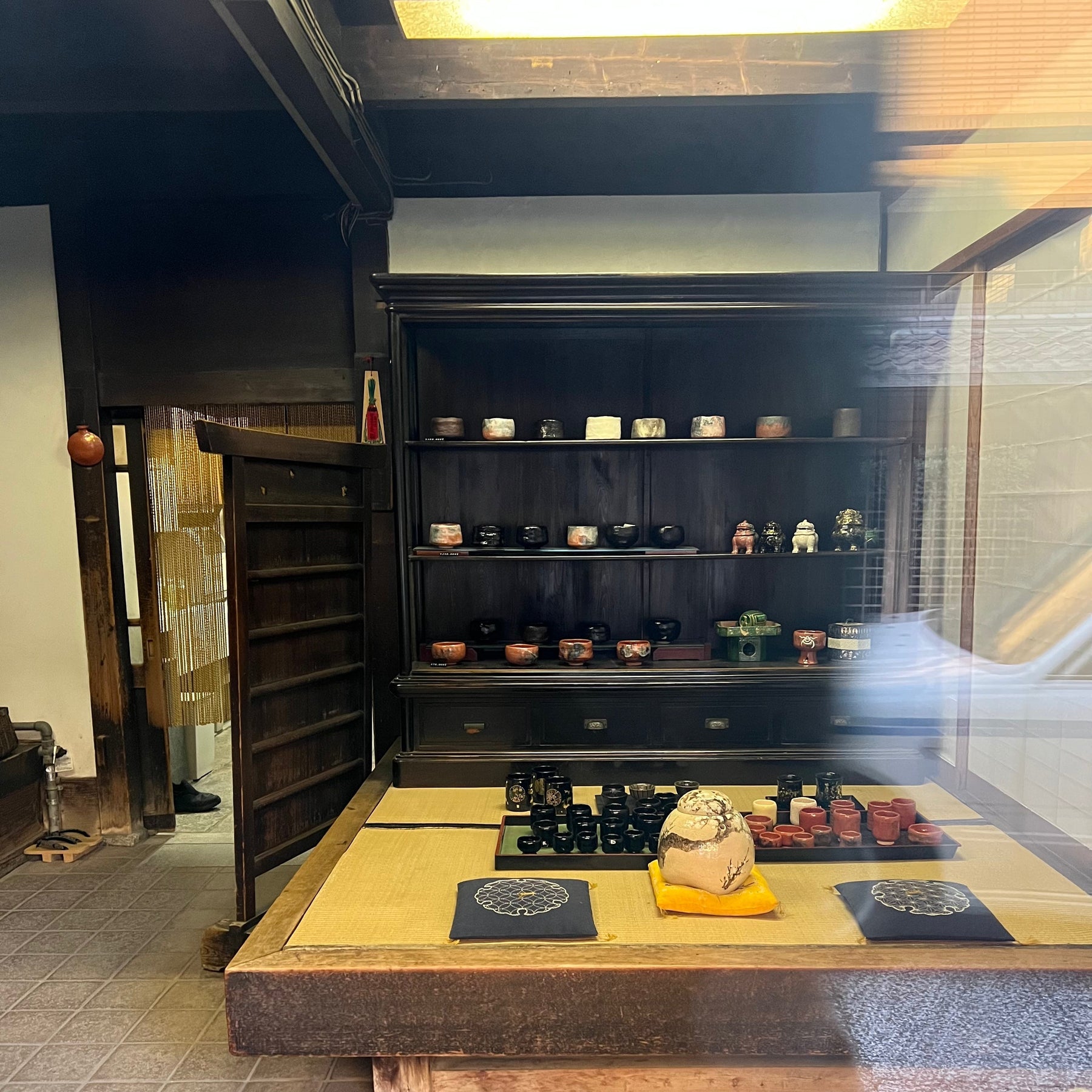
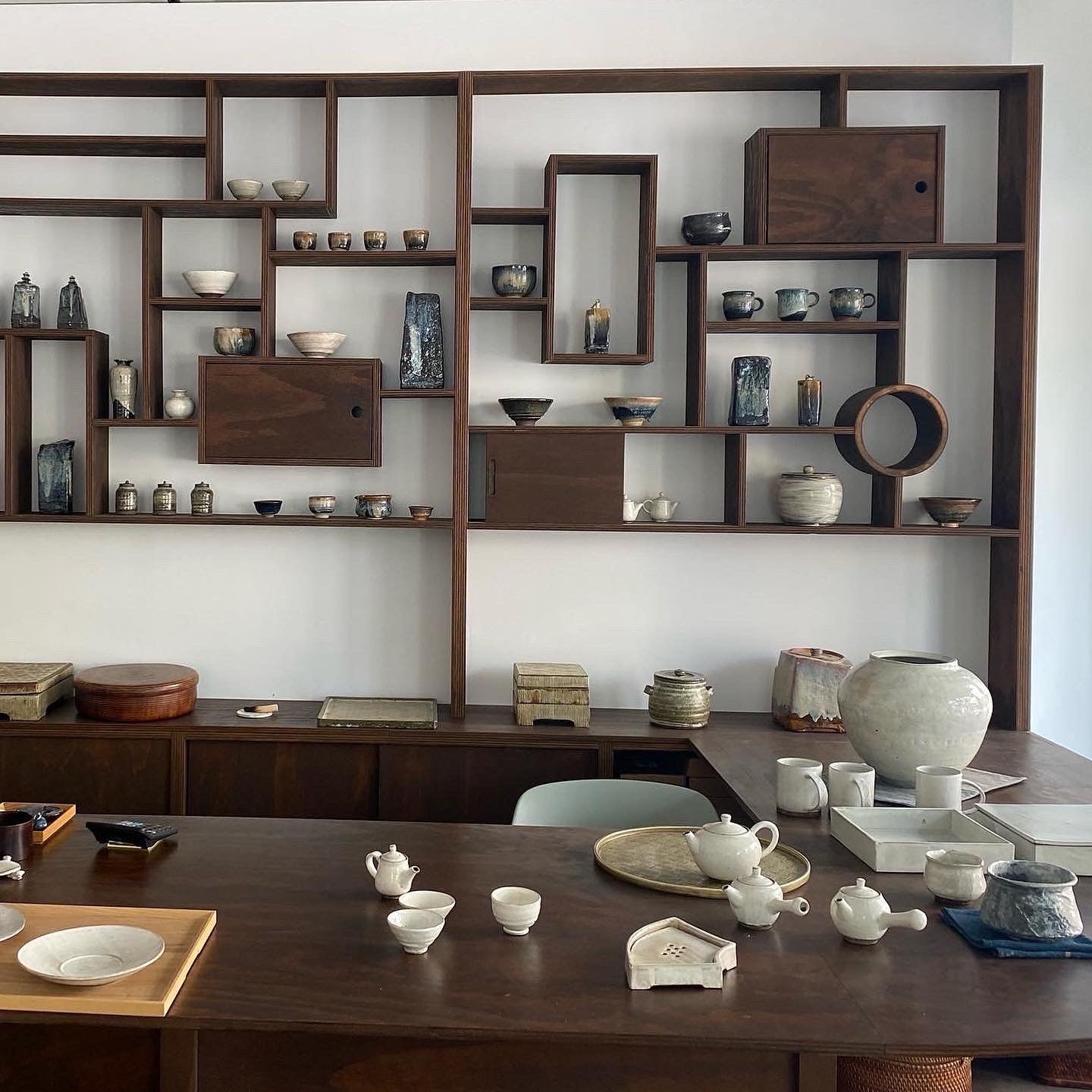
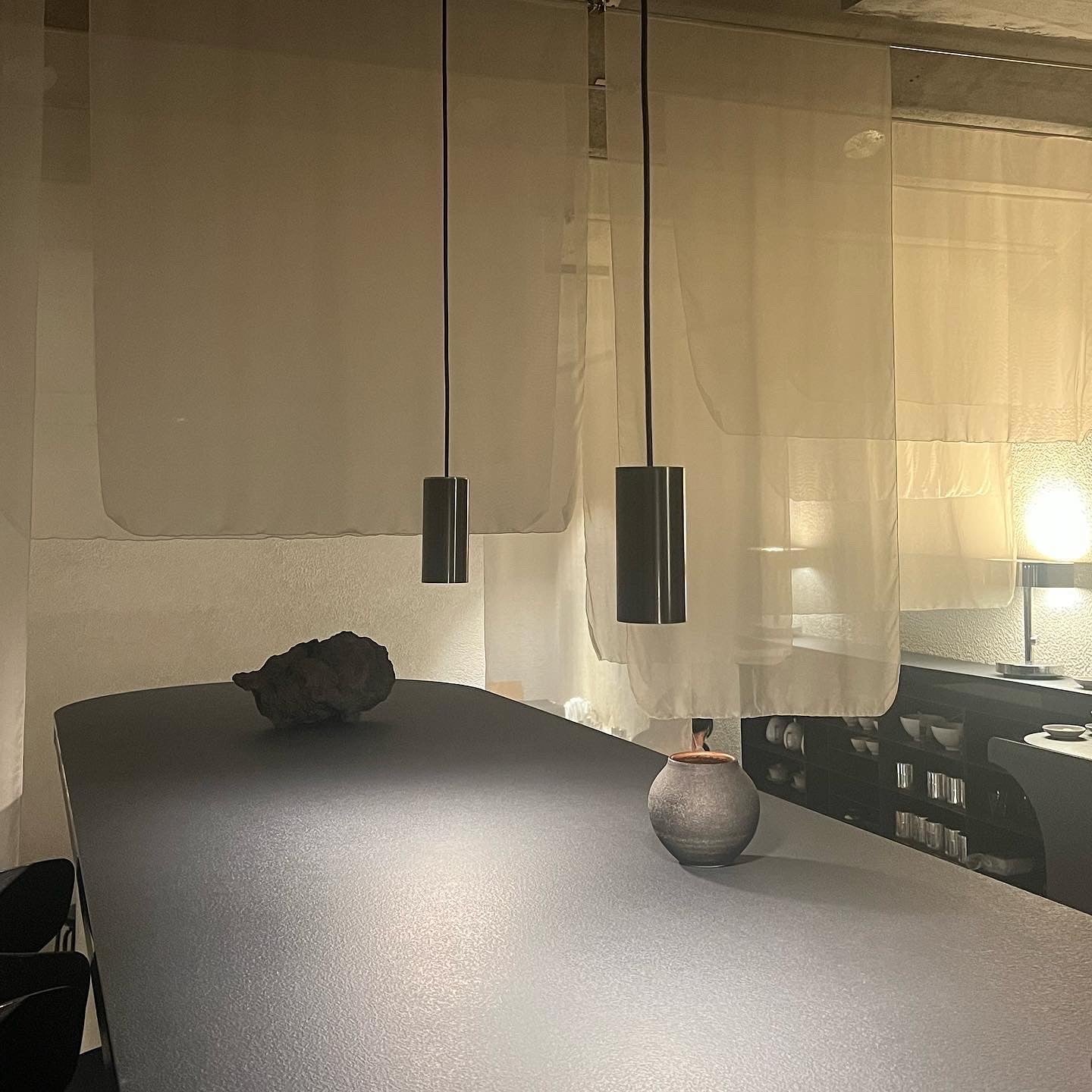
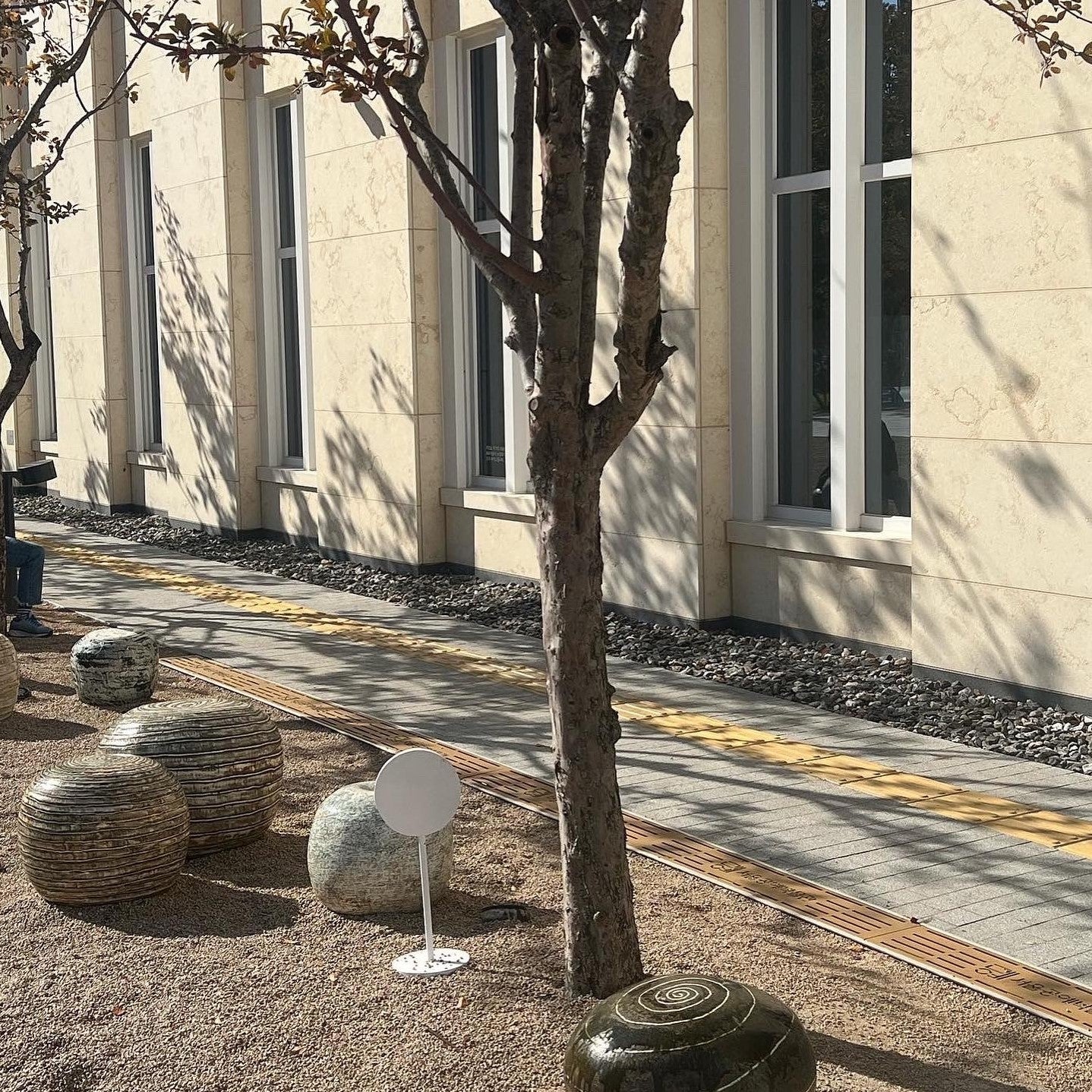
Some homes preserve history. Others preserve a way of seeing the world.
Each visit to Kawai Kanjiro's house in Kyoto reminds us that craftsmanship extends far beyond the finished object. It is found in the rhythm of daily life, in quiet repetition, in respect for materials, and in the patience to allow beauty to emerge naturally.
A leading figure of Japan's Mingei movement, Kawai believed that the most beautiful objects were never created to be admired alone, but to be lived with: humble vessels shaped through honest work and everyday use.
His words continue to resonate deeply:
「仕事が仕事をする。」
"The work also works on us."
While we shape the clay, the clay quietly shapes us in return.
Every hour spent making teaches us patience. Every challenge cultivates humility. Every vessel carries not only the hands of its maker, but the life that formed those hands.
Walking through his home, with its preserved studio and climbing kiln, we were reminded that true craftsmanship is not the pursuit of perfection, but a lifelong practice of presence. The work becomes a mirror of the maker, and over time, the maker becomes a reflection of the work.
Perhaps that is Kawai Kanjiro's greatest legacy, that making beautiful things begins with becoming.